

 See My Latest Article on HelloNation
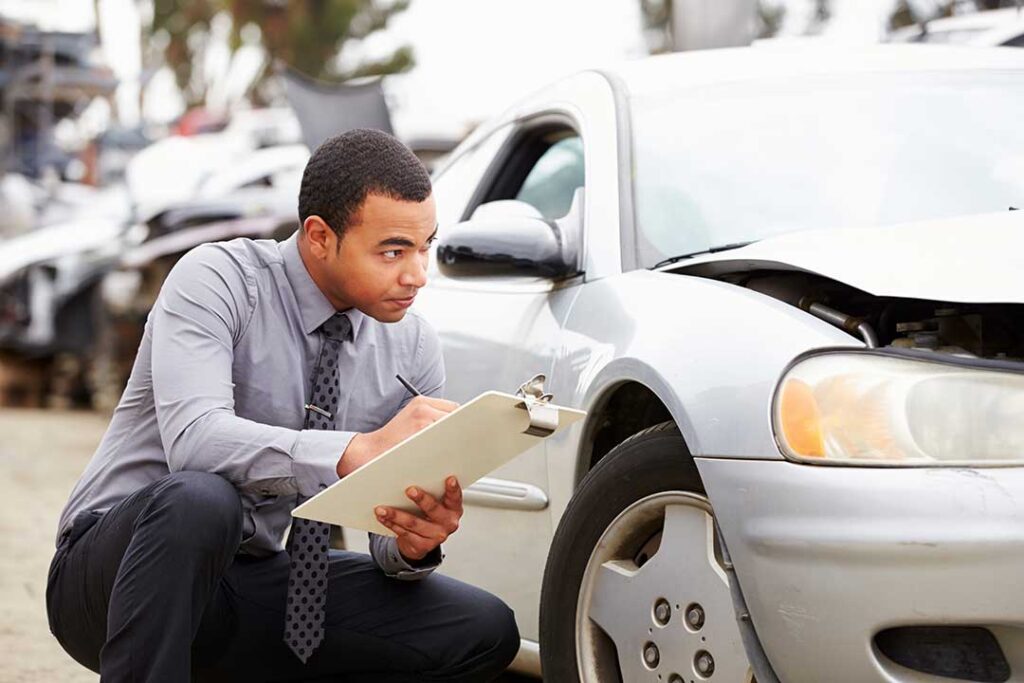
A car accident can leave drivers dealing with injuries, damaged vehicles, confusing paperwork, and urgent decisions. For residents of Palmer Township, the first priority is safety; the next is creating a clear record that supports any insurance claim.
What should you do immediately after a crash?
Move to a safe location if the vehicle can be driven without creating another hazard, turn on hazard lights, and check whether anyone needs emergency medical help. Do not leave the scene unless emergency treatment or another urgent safety concern requires it.
Pennsylvania law requires drivers to notify the nearest authorized police department as quickly as possible when a crash involves an injury or a vehicle that must be towed because it cannot be driven safely under its own power.
At the scene:
- Call 911 if anyone is injured, traffic is blocked, or the situation is unsafe.
- Avoid standing in active lanes or near damaged vehicles that could move unexpectedly.
- Do not admit fault, argue about responsibility, or speculate about what happened.
- Exchange names, addresses, driver’s license information, registration details, and insurance information.
- Ask for the responding officer’s name, badge number, and report or incident number.
- Take photographs only when doing so is safe.
Road conditions may affect the scene. Rain, snow, ice, reduced visibility, construction activity, or debris can become relevant later, especially on roads used by commuters, school traffic, and commercial vehicles.
What information should you collect for an insurance claim?
Collect more than the other driver’s phone number. A useful accident record includes:
- Date, time, and precise location of the crash
- Names and contact information for all drivers and passengers
- Vehicle makes, models, license plate numbers, and registration information
- Insurance company names and policy information
- Names and contact details of witnesses
- Photographs of vehicle damage, roadway conditions, traffic signs, lane markings, and nearby property
- The responding police department and report number
- A brief description of what happened while the details are fresh
Photograph the vehicles from several angles, including close-ups and wider views showing their positions. If weather or lighting contributed to the crash, document those conditions as well.
Avoid posting accident photographs or detailed comments on social media. Public statements can be misunderstood and may later be reviewed during a claim or dispute.
When should you notify your insurance company?
Notify your own insurer as soon as reasonably possible, even if another driver appears responsible. Policies commonly require prompt notice, and early reporting allows the insurer to begin investigating while evidence and witness recollections are still available.
Use the phone number listed on the proof-of-insurance card or policy documents. Be prepared to provide:
- The date, time, and location of the crash
- A description of the vehicles and people involved
- Whether anyone was injured
- Whether a police report was made
- Whether the vehicle was towed
- Photographs and witness information
- The other driver’s insurance details
Report facts accurately and distinguish between what you personally observed and what another person told you. If you do not know an answer, say so rather than guessing.
Keep a written record of claim numbers, adjuster names, phone calls, emails, inspections, repair discussions, and payments. Organized records can help prevent misunderstandings.
Do you need to file a separate accident report in Pennsylvania?
Usually, a police investigation handles the required state reporting. If a crash involves an injury or a vehicle that must be towed but no police officer investigates it, Pennsylvania requires the involved driver to submit a written report to the Pennsylvania Department of Transportation within five days.
The driver’s report requirement is separate from notifying an insurance company. Reporting the crash to an insurer does not replace a required state filing.
A police crash report may not be available immediately. The investigating agency may have its own process and waiting period for releasing copies. Keep the incident number and ask how to request the report when it becomes available.
What if you feel fine but develop pain later?
Some injuries are not obvious at the scene. Neck, back, shoulder, and soft-tissue symptoms may appear hours or days later. Seek medical attention if pain, dizziness, headaches, numbness, difficulty moving, or other symptoms develop.
Tell the medical provider that the condition followed a vehicle crash and keep records of visits, treatment instructions, prescriptions, and missed work. Prompt medical documentation helps distinguish accident-related care from unrelated health issues.
Do not minimize symptoms simply because the vehicle damage appears minor. Vehicle damage and bodily injury do not always correspond.
How do Pennsylvania insurance choices affect a claim?
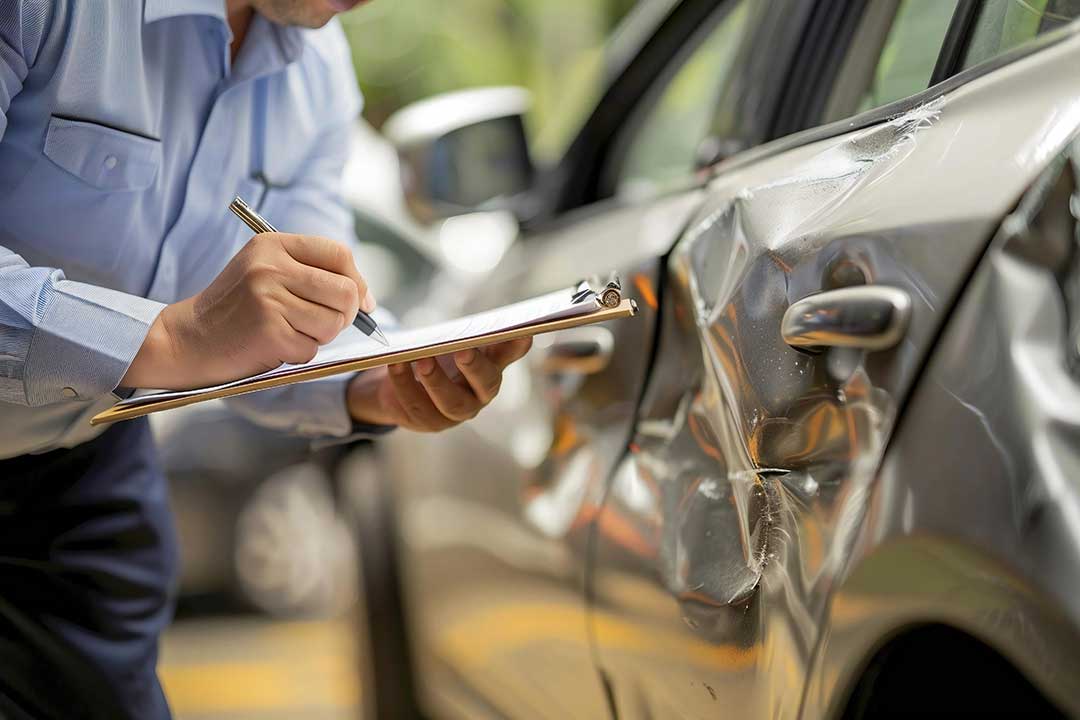
Pennsylvania auto policies can involve different coverage decisions, including liability coverage, medical benefits, collision coverage, comprehensive coverage, uninsured or underinsured motorist coverage, and tort options.
Liability coverage generally addresses injuries or property damage a policyholder causes to others. Collision coverage may apply to damage to the insured vehicle, subject to the policy deductible. Medical benefits may help with eligible medical expenses regardless of who caused the crash, depending on the policy.
Pennsylvania drivers also choose between limited-tort and full-tort options. That choice can affect the ability to pursue certain damages after an accident, subject to exceptions and the specific facts of the case. The declarations page and policy wording control; a general description cannot replace reviewing the actual coverage.
A deductible is not the same as the total cost of an accident. Other possible expenses include towing, storage, rental transportation, medical bills, lost wages, and damage to personal property.
What should you do about towing and repairs?
Before authorizing repairs, ask the insurer how the inspection and estimate process works. Take photographs before the vehicle is moved or repaired, if possible.
Keep:
- Towing and storage receipts
- Repair estimates
- Rental or transportation records
- Receipts for damaged personal items
- Inspection reports
- Written communications about the vehicle’s condition
Do not sign documents you do not understand. Pay attention to whether paperwork authorizes repairs, releases a claim, transfers ownership, or settles injury or property-damage issues.
If a vehicle is considered a total loss, the insurer generally evaluates its pre-crash value under the policy and applicable claim procedures. A disagreement about valuation should be documented in writing, along with the comparable vehicles or information used to support a different value.
What common mistakes can create problems?
Several avoidable actions can make an insurance claim harder to evaluate:
- Waiting too long to report the crash
- Failing to document injuries or changing symptoms
- Discarding damaged parts or personal property before asking whether they should be preserved
- Guessing about speed, distance, or fault
- Giving a recorded statement without understanding what is being requested
- Authorizing repairs before the insurer has a chance to inspect the vehicle
- Ignoring notices, deadlines, or requests for documents
- Assuming the other driver’s insurance will automatically handle every expense
If a claim involves serious injury, disputed responsibility, a denial, a coverage question, or a possible lawsuit, legal guidance may be necessary. Insurance procedures and legal deadlines are not always the same, so a person should not rely solely on an informal conversation or online advice.
How can you prepare before an accident?
Keep a current proof-of-insurance card in the vehicle and confirm that the policy information is up to date. A phone charger, flashlight, reflective warning device, first-aid supplies, and a way to take photographs can be useful after a crash.
Households should also know whether their policy includes rental reimbursement, roadside assistance, medical benefits, uninsured or underinsured motorist coverage, and collision coverage. Reviewing those provisions before a winter-weather collision or busy travel period is easier than trying to understand them during an emergency.